- Workship Labs
- Posts
- Reframing Ramadan as Resistance
Reframing Ramadan as Resistance
We've been sold a version of Ramadan that capitalism can live with. This year, I'm taking it back! Will you join me?

Workship Labs
February 06, 2026
Al Salam Alaikum 🌱

🪝 The Ramadan We’ve Been Sold
Scroll through Instagram in the weeks before Ramadan and you’ll see it:
“Ramadan reset”
“30-day spiritual detox”
“My Ramadan glow-up plan”
“Habit stacking for the blessed month”
Meal prep guides. Productivity hacks for fasting. Aesthetic iftar tablescapes. Influences promising their Ramadan planners will “maximize your worship.”
It all sounds so…. reasonable.
So optimized.
So compatible with everything else in your life.
And that’s exactly the problem.
The version of Ramadan we’ve been sold is a version capitalism can live with.
It’s Ramadan as self-improvement.
Ramadan as wellness.
Ramadan as a religious productivity sprint that makes you us better, more efficient, more aesthetically pleasing version of ourselves- so we can return to “normal life” refreshed and ready to produce and consume again.
This Ramadan-as-detox framing turns the month into a service station on the highway of capitalist life.
We pull over, refuel our spiritual tank, maybe get a car wash for our soul, and then merge back onto the same road going the same direction.
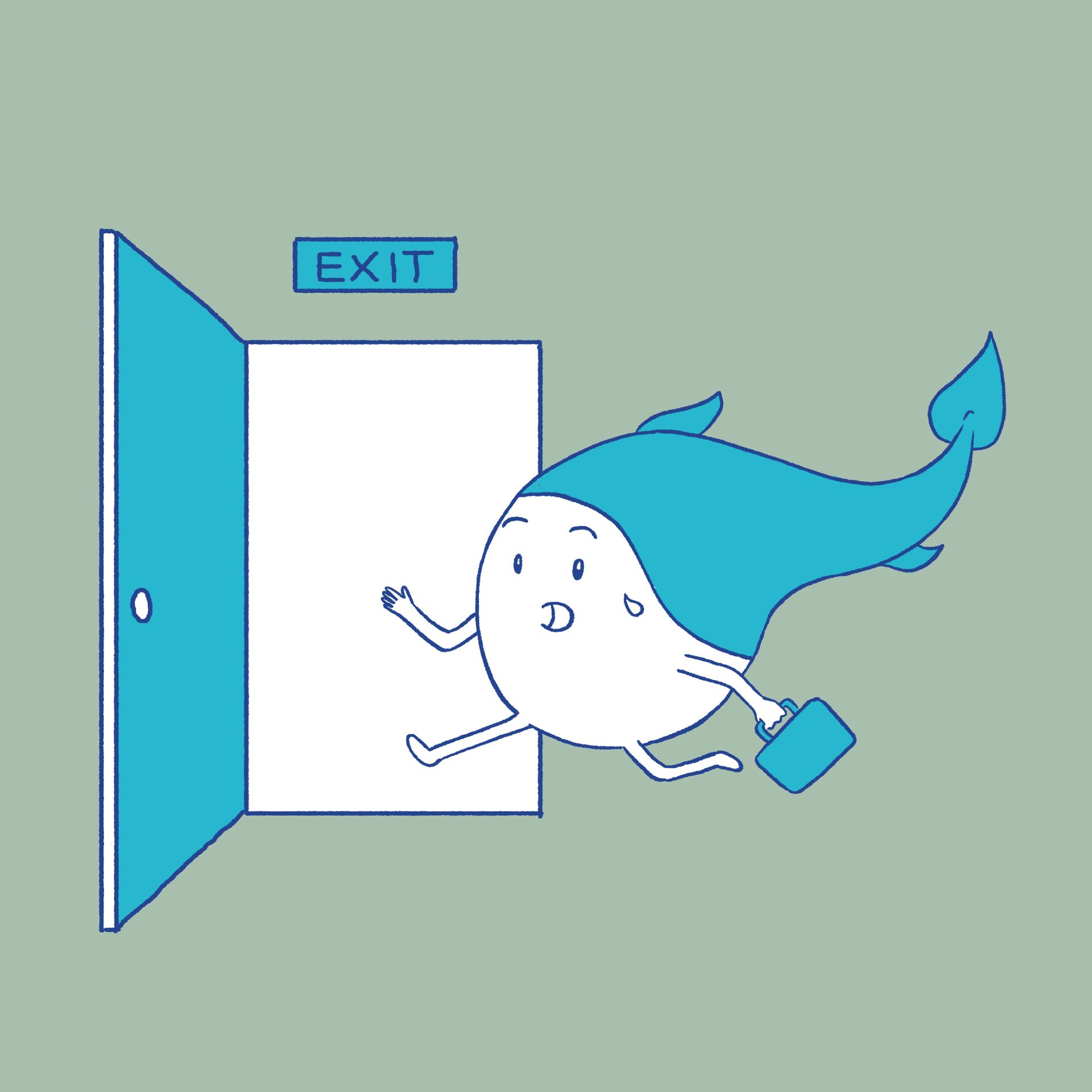
But what if Ramadan was never meant to be a pit stop?
What it it was meant to be an exit ramp?
😨 The Ramadan The System Fears
There’s another way to understand this month.
One that’s older, more dangerous, and far more true to what I understand as the revolutionary spirit of Ramadan.
Ramadan as resistance.
Not self-care- civil disobedience.
Not detox- defection.
Not optimization- liberation.
Consider what fasting actually does:
It makes us useless to the consumption economy.
For the majority of daylight hours, we are (or at least shouldn’t be) not buying, not eating, not snacking, not sipping, not scrolling (again, shouldn’t be) for dopamine.
We become a non-participant in the market’s most active hours.
It disrupts the productivity clock.
Our energy is lower.
Our pace is slower.
We cannot maintain the relentless output the system demands.
And we’re not supposed t!
It reorganizes our time around worship, not work.
Fajr, suhoor, iftar, taraweeh, tahajjud- our day now runs on a sacred calendar that has nothing to do with quarterly targets or fiscal years.
It rebuilds embodied community.
Shoulder to shoulder in prayer. Gathered around shared food. Present with other humans in ways that screens and algorithms cannot replicate or monetize.
It culminates in withdrawal.
The last ten nights, the search for Laylatul Qadr, the practice of i’tikaf - total non-participation. Disappearance from the systems that demand our constant availability.
This is not a wellness retreat. This is a month-long general strike against everything capitalism needs us to keep doing.
And the beautiful, terrifying thing?
Our understanding of the fast barely scratches the surface.
Scholars have long taught that fasting has layers.
The first layer- abstaining from food, drink, and intimacy- is just the entry point.
The deeper layers involve fasting of the limbs, fasting of the heart, fasting of the mind from everything that distracts us from Allah.
Imam al-Ghazzali described three grades of fasting: the fasting of the common person, the fasting of the elect, and the fasting of the elect of the elect.
Most of us never move past the first.
But when we understand what fasting is actually training us for- taqwa, that protective consciousness, that putting Allah first in every moment, every decision, every breath- we realize the month isn’t asking for a small adjustment of our eating and sleeping schedule.
It’s asking for a complete reorientation of who we belong to.
Every Muslim, every year, is invited into this.
Not just to abstain, but to submit.
Not just to hunger, but to remember.
Not just to pause consumption, but to practice putting Allah before everything the dunya demands from us.
The resistance was built into the practice from the beginning. We just stopped going deep enough to find it.
Now is our opportunity to practice non-compliance with the dominant system.
The question is whether we’ll actually do it- or whether we’ll find ways to make our Ramadan so comfortable, so optimized, so compatible that it loses its revolutionary teeth.
🌾 How We Domesticated a Revolution
Let’s be honest about what happened.
Somewhere along the way, we defanged Ramadan.
We made it palatable.
We commodified it. Ramadan sales. Ramadan collections. Eid outfit drops. The same market that extracts from us all year found a way to extract from our holiest month.
We individualized it. “My Ramadan goals.” “My spiritual journey.” “My worship routine.” We forgot that this is a communal obligation, a collective practice, an ummah-wide act of simultaneous resistance.
We optimized it. We approached it with the same productivity mindset we bring to everything else- how to hack fasting, how to maintain output, how to not let worship interfere too much with work.
We aestheticized it. The lanterns. The fairy lights. The carefully curated iftar photos. The Ramadan “vibes.” We created a visual culture that looks beautiful and means nothing.
We made it temporary. “Ramadan mode” implies there’s a “normal mode” we return to. We accepted that this month is an exception, not a template.
In doing all this, we took a practice designed to liberate us from the dunya and turned it into another dunya experience- just with Islamic branding.
We turned revolution into routine.
🛡️ What Taqwa Actually Demands
Go back to the ayah:

“Fasting is prescribed for you… that you may attain taqwa.”
Taqwa is usually translated as “God-consciousness” or “piety.”
But the root means something more visceral: protection, guarding, shielding.
Taqwa is the internal fortress that protects you from everything that would pull you away from Allah.
In the context of Ramadan, this means: the purpose of fasting is to build your resistance.
Not resistance as a metaphor.
Resistance as a literal, practical capacity to say no to your nafs, systems, appetites, and structures that colonize your time, attention, body, and soul.
Every hunger pang we feel and don’t immediately satisfy is practice in refusal.
Every prayer we stop to make while the work keeps moving is practice in temporal sovereignty.
Every night we stand in taraweeh with strangers is practice in solidarity.
Every hour we spend offline, unreachable, unavailable is practice in liberation.
Ramadan is a 30-day training camp in becoming ungovernable by anything other than Allah.
But we have to approach it that way.
If we approach it as self-improvement, we’ll get self-improvement.
If we approach it as resistance, we’ll get real freedom.
✊ This Year, We’re Taking It Back
I’m writing this almost two weeks before Ramadan starts inshAllah because I want to invite you into a different framing before the month begins.
This year, I’m not approaching Ramadan like I did in previous years.
I’m not approaching it as a spiritual productivity sprint.
I’m not approaching it as a reset before returning to normal.
I’m approaching it as revolution.

Over the next several weeks- through Ramadan and into Eid- I’ll be sending a weekly series called “Ramadan as Revolution: An 8-Part Series on Fasting as Resistance.”
Each part will unpack one dimension of how Ramadan trains us to resist the systems that dehumanize us:
✊ Part 1: Reframing Ramadan as Resistance- (today)- Reclaiming the blessed month from self-improvement culture and understanding fasting as resistance.
⛓️ Part 2: What We Lost When We Made Ramadan Comfortable- The urgent case for resistance and what’s at stake when we keep domesticating our holiest month.
🚫 Part 3: The Fast as Refusal- Opting out of the consumption economy (food, shopping, screens, content).
⏳️ Part 4: Reclaiming Time- Rebelling against the productivity block and the Western calendar.
🕌 Part 5: The Congregation- Rebuilding collective power against atomization and individualism.
🔇 Part 6: The Withdrawal- I’tikaf and the liberation of disappearing.
🕊️ Part 7: The Morning After Liberation- How to maintain the revolution when Ramadan ends.
🏗️ Part 8: The Long Ramadan- Building a year of resistance using the Islamic calendar as the architecture. This newsletter will be divided into two parts.
My intention behind this series is to invite you to approach this Ramadan as the radical, system-disrupting, soul-liberating practice it was always meant to be.
Next week (inshAllah), I’ll send the second part of this introduction: why this framing is so urgently needed right now, and what’s at stake if we keep domesticating our holiest month.
But before then, I want you to sit with one question:
What would change if you approached Ramadan not as a spiritual self-improvement project, but as a 30-day defection from the systems that own your time, attention, and peace?
Not as something you endure, but as something you wield.
Not as deprivation, but as liberation.
Not as a pause from real life, but as real life- with everything else revealed as the distraction it always was.
What would change?
Write it down. Be specific. What would you do differently? What would you refuse? What would you build?
Ramadan is coming, inshAllah.
And it’s more dangerous than what we’ve been taught to believe.
💌 A Final Ask
I don’t ask much. I write, you read, and I trust that what needs to land will land, inshAllah.
But this time I’m kindly asking for two things.
Share it with the one who’s drowning. You know who they are. They likely won’t go looking for this. People who are drowning and so engulfed in the system don’t search for lifelines- they don’t have the bandwidth. They need someone to throw one.
Be that person.
That’s enough. Allah does the rest.
Second: reach out to me.
I don’t want this to be a series you read, not at, and file away.
I’ll be honest with you- these thoughts have been swimming in my mind for a long time. Long before I started writing them down. This framing of Ramadan as resistance, of the Islamic calendar as architecture, of community as the antidote to everything the system throws at us- it’s been building in for months, maybe a few years. And putting it into words has been as much for me as it has been for you.
But I wrote it in a room. Alone. From my own perspective, my own struggles, my own blind spots.
So I need to hear from you.
What resonated? What didn’t? What’s practical? What’s missing?
Because if this is going to be more than words on a screen- if this is actually going to shape how we approach Ramadan- then it needs to be tested against your reality, not just mine.
And beyond the feedback, I want to know what you’re actually going to do.
So write to me (by replying back) throughout this series. Tell me:
How are you planning your Ramadan of Resistance?
What are you refusing this year?
What architecture are you building?
What scares you about doing this?
What would make it easier if you didn’t have to do it alone?
Because here’s the truth: you don’t have to do it alone.
That’s the whole point of Part 3- but I digress. We’ll get there, inshAllah.
So let’s do this together.
Bismillah.. 🌱
🤲 Closing Dua
“Ya Allah, bless us in what remains of Sha’ban and grant us Ramadan. Allow us to reach it with strong faith, sincere intentions, and sound hearts, bodies and minds.”
Ameen
Reply