- Workship Labs
- Posts
- The Ethical Dilemmas Faith-First Entrepreneurs Refuse to Name
The Ethical Dilemmas Faith-First Entrepreneurs Refuse to Name

Workship Labs
December 12, 2025
Al Salam Alaikum 🌱
👌🏽The System Isn’t Broken- It’s Working Perfectly
Modern capitalism isn’t a neutral system that occasionally produces bad outcomes.
It is a system designed to extract, exploit, and accumulate- and it’s doing exactly what it was built to do.
The iPhone in our pockets? Built by workers in Foxconn factories where suicide nets are installed to catch people trying to escape through death.
The coffee we’re drinking? Likely picked by farmers in the Global South who can’t afford to drink what they grow, while corporations capture 99% of the value.
The clothes we’re wearing? Probably stitched by women in Bangladesh earning $3 a day in factories that collapse on them.
The platforms we’re using to grow our businesses? Extracting data, manipulating attention, amplifying division- all to sell ads for products people don’t need with money they don’t have.
The bank holding our business accounts? Financing oil extraction, weapons manufacturing, and the dispossession of Indigenous peoples.
And here you are, Muslim entrepreneur, trying to build a “halal business” while swimming in an ocean of haram.
The cognitive dissonance is crushing. So most of us just… don’t look.
We focus on our little corner of “ethical” while ignoring the massive machinery of violence we’re plugged into.

🚩 The Ethical Dilemmas We Face Daily
Let me map the contradictions that keep us up at night- or should:
1) The Money Dilemma: We need capital to start. But every source is compromised. Banks operate on riba. Investors want returns that require exploitative growth. Grants come with strings attached to imperial interests. Even “Islamic financing” often just renames the same extractive mechanisms.
What do you do when every dollar available to you is already entangled in injustice?
2) The Platform Dilemma: We need visibility to serve. But the platforms that give us reach are surveillance capitalist machines. Instagram is owned by Meta, which enables genocide through algorithmic amplification. Google tracks and sells our data. LinkedIn normalizes professional extraction.
What do you do when the tools required to reach the Ummah are owned by systems antiethical to our Islamic values?
3) The Supply Chain Dilemma: We need to source materials or services. But every supply chain is global, and every global supply chain includes exploitation of some kind. The laptop we’re using to build our “ethical businesses”? Conflict minerals. The shipping that delivers our products? Fossil fuel dependent. The cloud hosting our websites? Powered by coal.
What do you do when there’s no such thing as a clean supply chain in a dirty system?
4) The Client Dilemma: We need revenue to sustain. But the clients who can pay our rates are often corporations whose wealth is built on violence. They want to buy our expertise to improve their extraction. They want us to help them “diversity and inclusion” their way out of addressing structural injustice.
What do you do when the market for your skills is controlled by the very forces you oppose?
5) The Success Dilemma: We need growth to survive. But capitalist growth requires perpetual expansion. More extraction. More consumption. More waste. The “successful” Muslim entrepreneur is often just someone who learned to exploit efficiently while saying mashAllah.
What do you do when the definition of business success is fundamentally at odds with Islamic principles of sufficiency and balance?
6) The Tax Dilemma: We need to stay legal to operate. But our taxes fund imperial wars, police violence, broader cruelty, genocides, and the surveillance state. Every dollar we pay in taxes is funding bombs that fall of Muslim children (Afghanistan, Iraq, Palestine).
What do you do when compliance with the law makes you complicit in state violence?
I’m not posting theoretical questions. These are our daily reality. And the weight of these contradictions is enough to paralyze us- or worse, numb me into accepting that “this is how it is.”
🪤 The Paralysis Trap
I know what you’re feeling right now. The weight of it. The impossibility o fit.
“If everything is compromised, what’s the point?” I might as well give up. There’s no way to do business ethically in this system.”
That’s the paralysis trap. And it’s exactly what the system wants you to feel.
Because paralyzed Muslims don’t challenge anything. Demoralized Muslims don’t organize. Defeated Muslims don’t build alternatives.
The system doesn’t need you to be happy with your complicity. It just needs you to believe there’s no alternative.
But here’s what the Noble Quran teaches us:
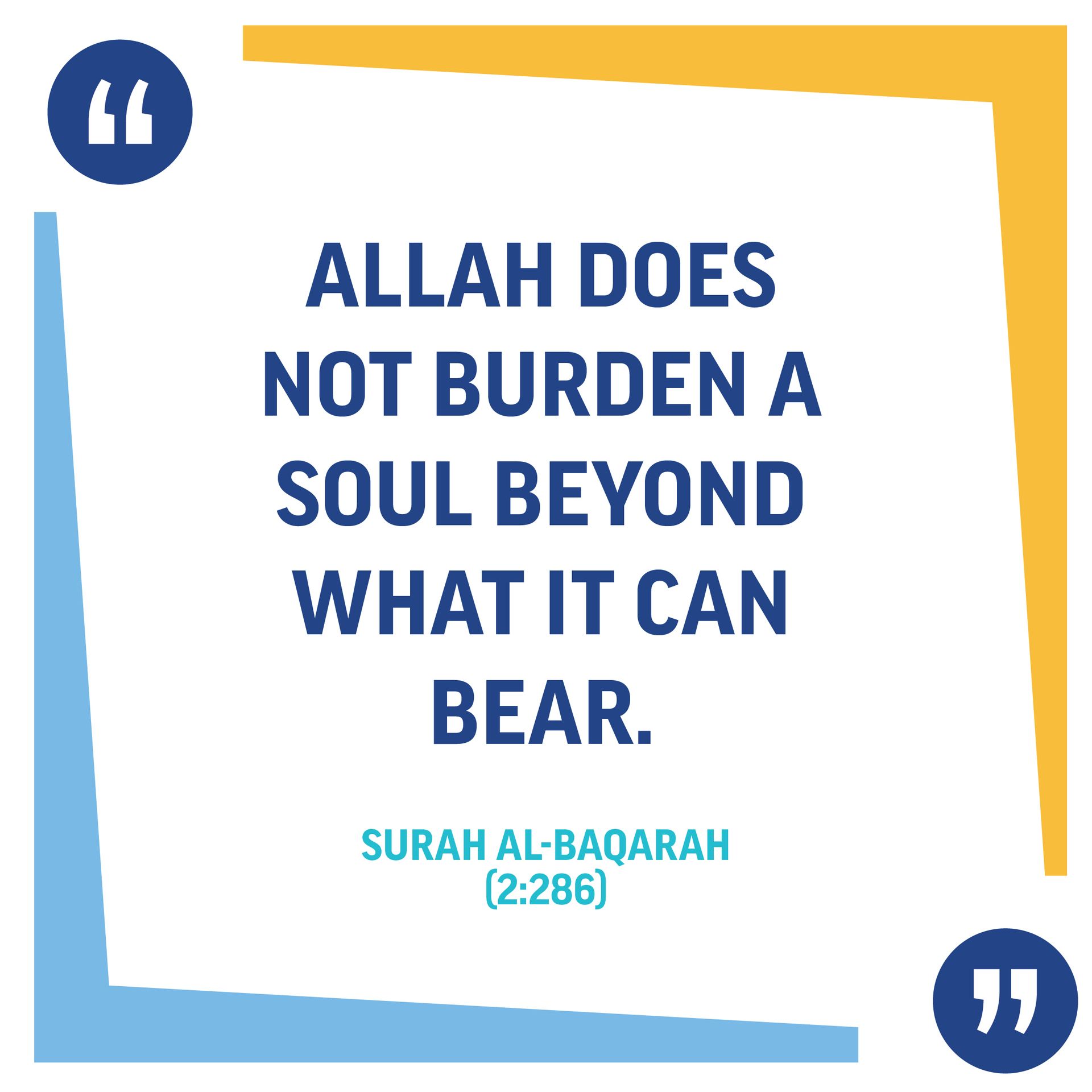
You’re not responsible for dismantling the entire system by yourself. You’re not required to achieve perfect purity in an impure world.
But you ARE responsible for what you do with the clarity once you have it.
📣 Beyond Purity Politics
Let’s get concrete. You can’t escape the system, but you CAN refuse to let the system define your relationship with it.
Name Your Complicity Out Loud
Stop pretending you’re clean. You’re not. None of us are.
Practice: Once a quarter, write down all the ways your business is entangled in violence. Be specific. Who’s getting exploited in your supply chain? What violence is your banking system funding? Where does your platform’s profit go?
Don’t do this to shame yourself. Do it to stay clear-eyed about reality. Confession isn’t about self-flagellation- it’s about refusing to lie to yourself.
Choose Short-Term Compromise Over Random Complicity
You can’t avoid compromise. But you can choose WHERE you compromise for the short-term based on a clear hierarchy of values.
Practice: Create your own “ethical hierarchy.” What matters most? Where are you willing to compromise when necessary (and for the short-term)? Where will you never compromise?
Build Outside the Masters House
You can’t dismantle the master’s house using the master’s tools (thank you, Audre Lorde). But you can build new houses.
Practice: Dedicate a percentage of your time and resources to building alternative systems:
Join or start a mutual aid network
Build with open-source tools instead of propriety platforms
The goal isn’t to perfectly exit the system (you can’t). The goal is to spend some of your energy building infrastructure that doesn’t depend on it.
Use Your Position as Leverage
If you have any privilege, platform, or position within the system- use it against the system.
Practice:
Refuse contracts from companies actively harming humanity and the environment
Use your platform to amplify movements and causes
Whistleblow when you see injustice
Mentor others in how you navigate these contradictions
☑️ Beyond Individual Ethics
Individual ethical choices are necessary but insufficient.
The system is too big for personal purity to solve. We need collective strategy.
What if Muslim entrepreneurs stopped competing and started coordinating?
What if we built:
A halal mutual credit system that doesn’t depend on riba-based banking?
Cooperative supply chains that prioritize human dignity over profit margins?
Alternative platforms owned by and accountable to the communities they serve?
Shared insurance pools so we’re not dependent on exploitative corporations?
Community investment funds that circulate wealth rather than extract it?
What if we stopped trying to be “successful” by capitalism’s standards and started measuring success by how much we reduce our Ummah’s dependence on oppressive systems?
That’s the conversation we should be having.
Not “How do I build a seven-figure faith-based business?” but “How do we build economic infrastructure that liberates rather than exploits?”

This week’s exercise isn’t comfortable, but it’s necessary. Take one hour. You’ll need paper and honesty.
This exercise is called the Entanglement Map.
Step 1: Map Your Money- Draw a flow chart showing where your money comes from and where it goes:
Who pays you? (Track back: Where does THEIR money come from?)
Who do you pay? (Track forward: Where does your money GO?)
What systems does your money touch (Banks, platforms, suppliers, taxes)
Step 2: Name the Violence- For each major money flow, write down the violence connected to it. Be specific if you can.
Step 3: Rank Your Compromise- Using your ethical hierarchy, mark each entanglement:
🔴 Red - Violates non-negotiables (change immediately)
🟡 Yellow- Uncomfortable but must compromise (mitigate and plan exit)
🟢 Green- Acceptable within your current constraints (continue but stay vigilant)
Step 4: Choose ONE Action- Pick ONE red or yellow item. Write down ONE concrete action you’ll take this month to address it.
Step 5: Find Your People- Identify 2-3 faith-first entrepreneurs to share this exercise with. Make it a monthly practice. Hold each other accountable.
💌 I’d Love to Hear From You!
If this reflection sparked something in you, I’d love to hear it. You can reply directly to this email- I read and respond to every message. Share your thoughts or tell me how you’re planning to start using leverage in your own life! 🌱
🤲 Closing Dua
“O Allah, show us truth as truth and grant us the ability to follow it, and show us falsehood as falsehood and grant us the ability to avoid it. O Allah, do not make our calamity in our religion, and do not make the worldly life our greatest concern or the limit of our knowledge.”
Ameen
Reply